

- Jeremy Wenger
- Mar 15
- 5 min read
When it comes to transforming your outdoor space into a stunning retreat, understanding the landscaping design principles is your secret weapon. Whether you’re dreaming of a cozy backyard oasis or a vibrant garden that wows your neighbors, nailing the basics of landscape design can make all the difference. I’m here to walk you through the essentials, share some insider tips, and get you excited about creating a space that’s both beautiful and functional.
Let’s dive in and explore how you can turn your yard into a masterpiece that reflects your style and meets your needs.
Why Landscaping Design Principles Matter
You might be thinking, “Why do I need to know these principles? Can’t I just plant some flowers and call it a day?” Well, sure, you can. But if you want your outdoor space to feel balanced, inviting, and easy to maintain, these principles are your best friends.
Landscaping design principles help you:
Create harmony between different elements like plants, paths, and structures.
Maximize space so your yard feels larger and more functional.
Enhance curb appeal which can boost your home’s value.
Make maintenance easier by choosing the right plants and layouts.
Express your personality through thoughtful design choices.
By applying these principles, you’re not just planting a garden—you’re crafting an experience.
The Core Landscaping Design Principles You Need to Know
Let’s break down the key landscaping design principles that will guide your project from start to finish. These are the building blocks of any great outdoor space.
1. Balance
Balance is all about visual weight. Imagine your yard as a scale—both sides should feel evenly weighted. You can achieve this through:
Symmetrical balance: Mirroring elements on either side of a central point (think formal gardens).
Asymmetrical balance: Different elements that still feel balanced because of their size, color, or texture.
For example, a large tree on one side can be balanced by a grouping of shrubs and a bench on the other.
2. Unity
Unity means all parts of your landscape work together to create a cohesive look. This can be done by:
Using a consistent color palette.
Repeating plant types or materials.
Keeping a similar style throughout (modern, rustic, tropical, etc.).
When your design has unity, it feels intentional and polished.
3. Proportion
Proportion is about the size relationship between elements. A tiny flower bed next to a massive patio might look off. Make sure:
Plants and structures fit the scale of your yard.
Larger plants are placed in the back or corners.
Smaller plants fill in gaps or edges.
4. Rhythm
Rhythm creates movement and guides the eye through your landscape. You can establish rhythm by:
Repeating shapes, colors, or textures.
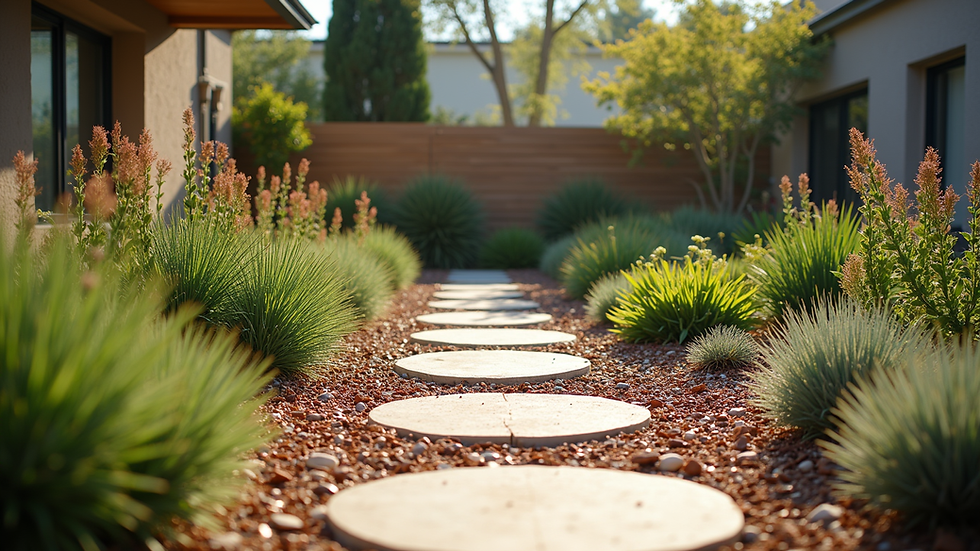
Using pathways or fences to lead visitors.
Alternating plant heights or colors in a pattern.
This keeps your yard interesting and dynamic.
5. Focalization
Every great design needs a focal point—a spot that draws attention. This could be:
A beautiful tree.
A water feature.
A sculpture or garden bench.
Make sure your focal point stands out but doesn’t overwhelm the space.
6. Simplicity
Less is often more. Avoid clutter by:
Limiting plant varieties.
Choosing clean lines and simple shapes.
Keeping pathways and patios straightforward.
Simplicity helps your yard feel calm and inviting.
What are the six rules of landscape design?
Now that you know the core principles, let’s talk about the six rules of landscape design that bring those principles to life. These rules are practical guidelines to help you avoid common pitfalls and create a stunning outdoor space.
Rule 1: Plan Before You Plant
Don’t just grab a shovel and start digging. Sketch your ideas on paper or use a digital tool. Consider:
Sunlight patterns.
Soil type.
Drainage.
Existing structures.
Planning saves time, money, and frustration.
Rule 2: Use a Focal Point
As we mentioned earlier, every landscape needs a star. Place your focal point where it can be seen from multiple angles, like near your patio or front door.
Rule 3: Create Balance and Unity
Mix symmetrical and asymmetrical elements to keep things interesting but harmonious. Use similar colors and textures to tie everything together.
Rule 4: Incorporate Layers
Think vertically as well as horizontally. Use tall trees, medium shrubs, and low ground covers to add depth and dimension.
Rule 5: Choose Plants Wisely
Pick plants that thrive in your climate and soil. For North Alabama homeowners, native plants like azaleas, dogwoods, and ferns are excellent choices. They’re low-maintenance and support local wildlife.
Rule 6: Think About Maintenance
Design with your lifestyle in mind. If you don’t want to spend hours pruning, opt for drought-tolerant plants and easy-care materials.
Practical Tips for Your Residential Landscape Design
Now, let’s get down to the nitty-gritty. Here are some actionable tips to help you apply these principles and rules to your own yard.
Start with a Clean Slate
Clear out any dead plants, weeds, or debris. This gives you a fresh canvas and helps you see the potential of your space.
Define Zones
Break your yard into functional areas like:
A dining or seating area.
A play zone for kids or pets.
A garden or flower bed.
A pathway or walkway.
This makes your yard more usable and organized.
Use Hardscaping to Your Advantage
Hardscaping elements like patios, walkways, retaining walls, and fences add structure and contrast to your greenery. Plus, they’re great for entertaining and relaxing.
Mix Textures and Colors
Combine plants with different leaf shapes, sizes, and colors to create visual interest. For example, pair spiky ornamental grasses with soft, round hostas.
Don’t Forget Lighting
Outdoor lighting extends your enjoyment into the evening and highlights your landscape’s best features. Use solar lights along paths, spotlights on trees, and string lights over patios.
Think Year-Round
Choose plants that offer seasonal interest. Evergreens provide winter color, spring bulbs bring early blooms, and fall foliage adds warmth.

Bringing It All Together with Professional Help
If you’re feeling overwhelmed, don’t worry—you’re not alone. Professional landscapers can help you bring your vision to life while respecting your budget and lifestyle. They know how to blend the residential landscape design principles with local conditions to create a space that’s uniquely yours.
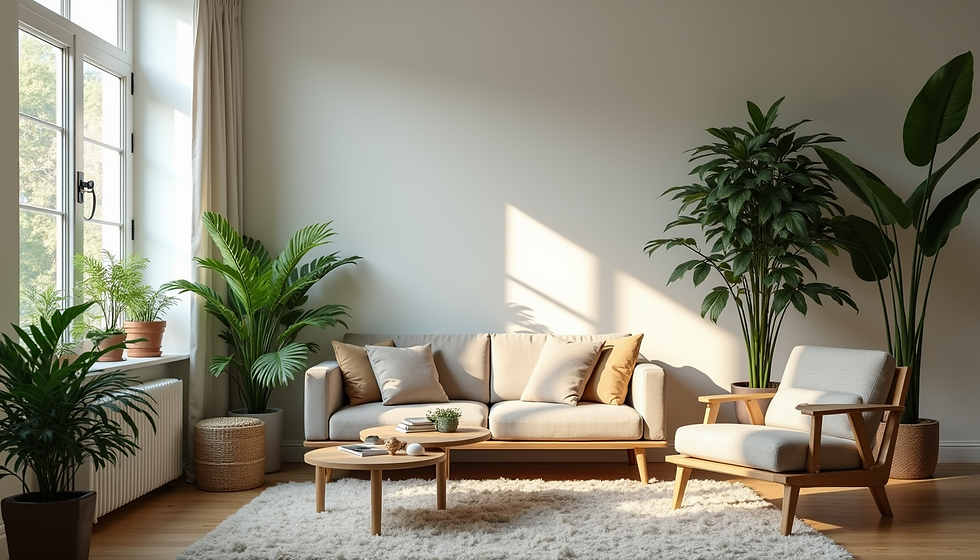
Plus, if you’re looking to add some greenery indoors or want high-quality artificial plants that look real, 3D Landscaping offers a curated selection perfect for North Alabama homes. It’s a great way to keep your space fresh and vibrant year-round without the hassle.
Your Outdoor Oasis Awaits
Ready to roll up your sleeves and start designing? Remember, great landscaping is a journey, not a race. Take your time, enjoy the process, and don’t be afraid to experiment. With these essentials in your toolkit, you’re well on your way to creating a stunning outdoor space that feels like an extension of your home.
So, what are you waiting for? Grab your sketchpad, get inspired, and start turning your yard into the beautiful retreat you deserve!



_edited.jpg)


Comments