

- Jeremy Wenger
- Mar 15
- 4 min read
When it comes to transforming your outdoor space, landscaping design principles are your best friends. Whether you’re dreaming of a cozy backyard retreat or a vibrant garden that wows your neighbors, understanding these essentials can make all the difference. I’m here to walk you through the must-know tips and tricks that will help you create a stunning landscape that feels like an extension of your home.
Let’s dive in and get your yard looking fabulous!
Why Landscaping Design Principles Matter
You might think landscaping is just about planting some flowers and mowing the lawn. But nope, it’s way more than that! Landscaping design principles are the foundation of a beautiful, functional, and sustainable outdoor space. They help you:
Maximize your yard’s potential
Create harmony between your home and garden
Boost curb appeal and property value
Make maintenance easier and more enjoyable
By following these principles, you’ll avoid common pitfalls like overcrowding plants, awkward layouts, or a yard that looks like it’s missing something. Plus, you’ll have a space that invites you to relax, entertain, and enjoy nature every day.
Key Landscaping Design Principles You Should Know
Let’s break down some of the core landscaping design principles that will guide your project from start to finish:
1. Balance
Balance is all about visual weight. You want your landscape to feel stable and well-proportioned. There are two types:
Symmetrical balance: Both sides mirror each other. Think formal gardens with matching shrubs and pathways.
Asymmetrical balance: Different elements balance each other out without being identical. This feels more natural and relaxed.
2. Unity
Unity means everything in your landscape works together. Your plants, hardscapes, and decor should complement each other and your home’s style. Use consistent colors, textures, and shapes to create a cohesive look.
3. Proportion
Proportion is about size relationships. Large trees next to tiny flowers can look off unless balanced properly. Make sure your plants and features fit the scale of your yard and home.
4. Rhythm
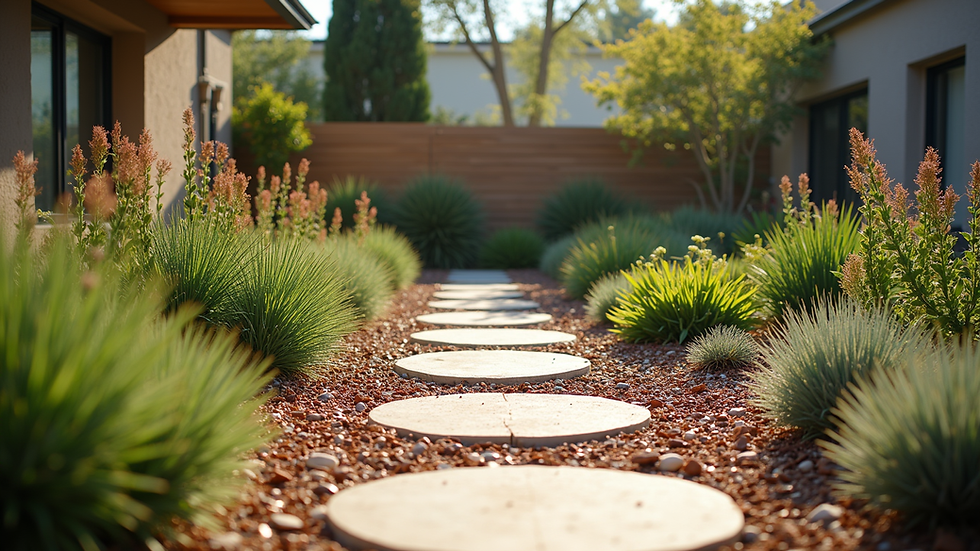
Rhythm creates movement and flow. Repeating elements like a row of shrubs or stepping stones guide the eye through your space, making it feel dynamic and inviting.
5. Focalization
Every great landscape needs a focal point - something that grabs attention. It could be a beautiful tree, a water feature, or a cozy seating area. This draws people in and gives your yard personality.
6. Simplicity
Less is often more. Avoid clutter by choosing a few key plants and features that shine. Simplicity makes your landscape easier to maintain and more visually appealing.
What are the six rules of landscape design?
You might be wondering if there’s a magic formula to follow. Well, the six rules of landscape design pretty much sum it up:
Balance - Keep your design visually stable.
Proportion - Match sizes to your space.
Rhythm - Use repetition to create flow.
Focalization - Have a clear point of interest.
Unity - Make sure everything fits together.
Simplicity - Don’t overdo it.
Stick to these, and you’re on your way to a landscape that looks professionally designed without the headache.

Practical Tips for Your Residential Landscape Design
Now that you know the principles, let’s get practical. Here’s how you can apply them to your own yard:
Start with a Plan
Grab a notebook or use a digital tool to sketch your yard. Mark existing features like trees, patios, and pathways. Think about how you want to use the space - entertaining, gardening, play area? This will guide your design choices.
Choose Plants Wisely
Pick plants that thrive in North Alabama’s climate. Native plants are a great choice because they’re low-maintenance and support local wildlife. Mix evergreens for year-round structure with seasonal blooms for color.
Incorporate Hardscapes
Paths, patios, and retaining walls add structure and function. Use materials that match your home’s style - brick, stone, or wood. Hardscapes also help with drainage and reduce lawn maintenance.
Add Lighting
Outdoor lighting extends your enjoyment into the evening. Use solar or LED lights along pathways, near seating areas, and to highlight focal points. It’s both practical and magical.
Don’t Forget Maintenance
Design with upkeep in mind. Group plants with similar water and sunlight needs together. Mulch beds to retain moisture and reduce weeds. Choose durable materials for hardscapes.

Bringing It All Together with Professional Help
If you’re feeling overwhelmed, you’re not alone. Designing a landscape that ticks all the boxes can be tricky. That’s where professional services come in handy. A skilled landscaper can:
Create a custom design tailored to your lifestyle and yard
Select the best plants and materials for your region
Handle installation and ongoing care
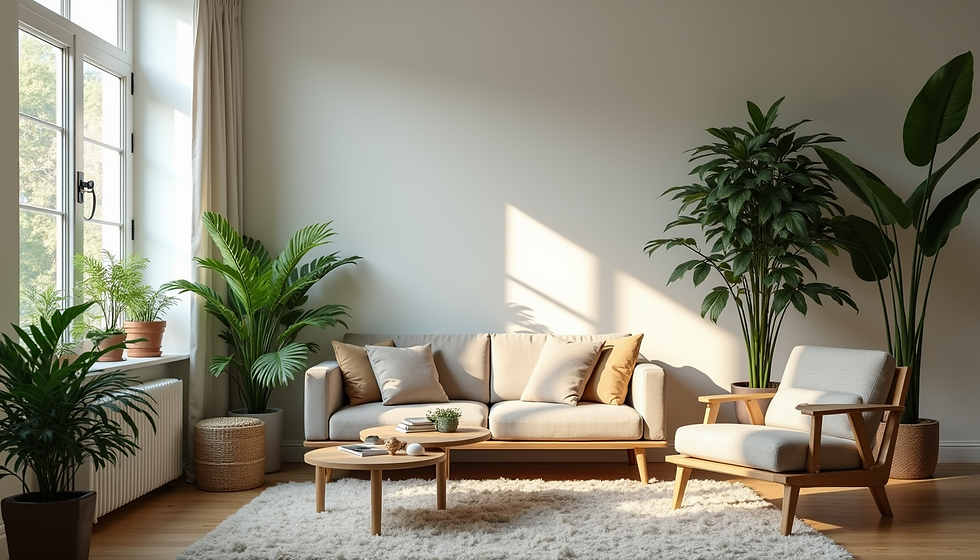
Plus, if you’re looking to add some greenery indoors or want hassle-free outdoor plants, check out the curated selection of high-quality artificial plants and home decor. They’re perfect for adding that fresh vibe without the fuss.
Ready to transform your outdoor space? Dive into residential landscape design and see how a little planning and creativity can turn your yard into a personal paradise.
Your Outdoor Oasis Awaits
There you have it - the essentials of landscaping design principles to get you started on your dream yard. Remember, it’s all about balance, unity, and a bit of your own style. Whether you’re planting a few shrubs or redoing the entire landscape, these tips will help you create a space that’s beautiful, functional, and uniquely yours.
So, what are you waiting for? Grab your gardening gloves, sketch out your plan, and start turning your outdoor space into the oasis you deserve. Happy landscaping!


_edited.jpg)


Comments